Backgraphics cards

graphics cards

Nvidia
2026-08-11 02:04:45

Nvidia RTX 50-Series Midrange GPUs Jump in U.S. Retail Prices, With Some Models Up More Than 39%

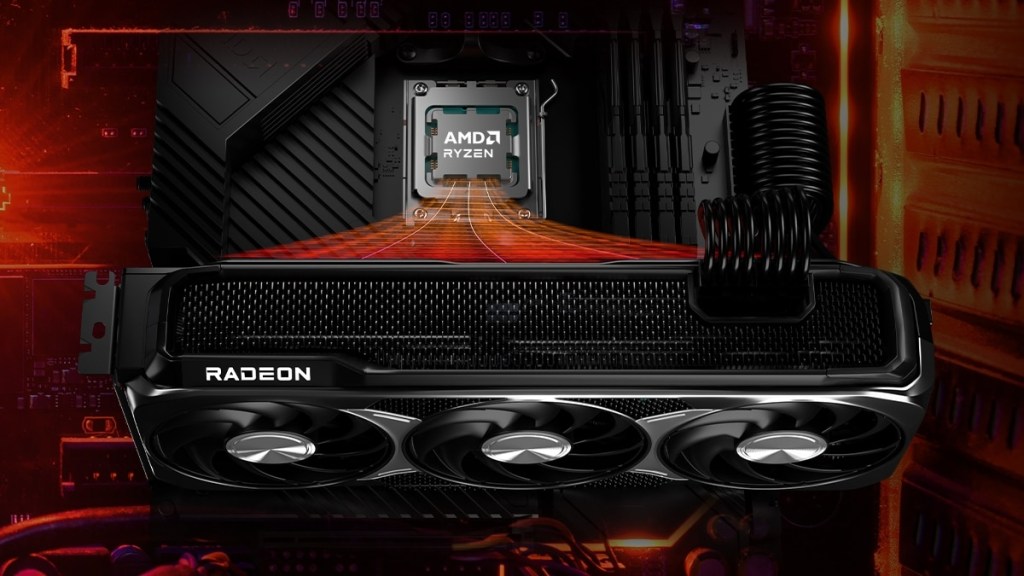
Nvidia’s GeForce RTX 50-series graphics cards have posted another round of retail price increases in the U.S., driven by sharply higher costs for key components, according to the source report. The biggest moves were concentrated in midrange Blackwell models, raising the cost of upgrades for PC DIY builders and creators. Retail tracking data cited in the report showed the GeForce RTX 5060 at a median retail price of $469.99, well above its $299.99 suggested retail price. The RTX 5060 Ti 8GB reached a median of $529.99 after an increase of about 13% to 15%, while the RTX 5060 Ti 16GB rose from $579.99 to $799.99, a gain of more than 39%. The GeForce RTX 5070 was listed in an $850 to $900 range after a 29% jump from the prior reading. Higher-tier models including the RTX 5070 Ti and RTX 5080 saw little change in this survey, while the entry-level RTX 5050 held near $300. AMD’s RDNA 4 lineup recorded smaller price changes, though supply conditions shifted across several products, including fewer available Radeon RX 9070 16GB variants and limited stock for the RX 9060 XT 8GB.


570
Nvidia RTX 50-Series Midrange GPUs Jump in U.S. Retail Prices, With Some Models Up More Than 39%
analog chips
2026-08-04 10:04:07

Analog Chipmakers Show Broader Recovery as Inventories Normalize and AI Demand Adds Support

A recovery is taking shape across the analog semiconductor market, with ON Semiconductor, Texas Instruments, STMicroelectronics and NXP Semiconductors all reporting year-over-year and sequential revenue growth, while third-quarter guidance also pointed to further sequential gains. The rebound is no longer tied to a single end market. Industrial demand moved first, data center demand followed, and automotive improved visibly in the second quarter. Inventory metrics shifted at the same time: STMicroelectronics said its book-to-bill ratio was close to 2, NXP’s channel inventory fell back to 11 weeks, and Texas Instruments reported rising backlog with lead times extending by several weeks from a level below 13 weeks. Management commentary across the group suggested the analog market had moved from a long destocking phase toward normalization, with new orders beginning to flow again. The report also shows the upcycle is uneven. Some categories, including automotive analog, power management, AI server power chains, optical module analog front ends and certain sensors, are tightening. General-purpose parts, consumer electronics and parts of the power and discrete segment still face pricing pressure. AI is becoming a more important growth driver as data center power conversion, thermal management, optical connectivity and industrial or automotive applications increase the content value of analog chips. Even so, forecasts cited in the report indicate analog is improving rather than leading the broader semiconductor boom, which is still being driven much more sharply by memory.

830
Analog Chipmakers Show Broader Recovery as Inventories Normalize and AI Demand Adds Support
AMD
2026-08-03 05:02:52

AMD plans at least a 10% increase for GPU memory kits in August

AMD has notified its add-in-board partners that it plans to raise GPU memory kit pricing by at least 10% in August, according to ABMedia, citing Wccftech and a screenshot obtained by ChannelGate on July 31, 2026. The report says the move will hit board makers’ component costs first and could later show up in retail graphics card prices, with the RX 9000 series expected to be among the most affected product lines. ABMedia said AMD had been considering a price increase about a month earlier but held back because NVIDIA still dominates the discrete GPU market in many regions. The company reportedly moved only after NVIDIA raised pricing on its RTX 50 series, a step that was followed by price increases in China. The article ties the change to sharply higher upstream DRAM costs this year, with some DRAM items nearing a doubling in price. Because AMD’s RX 9000 series and prior-generation products use GDDR6, the report says the increase may affect multiple generations. ABMedia also pointed to AMD’s recent Helios AI rack pricing as a sign that the company’s broader pricing strategy may be shifting beyond pure low-price competition.

790
AMD plans at least a 10% increase for GPU memory kits in August
U.S. premarke
2026-07-24 12:38:04

U.S. Premarket Brief: Nvidia Price Hike, Korea Chip Deals, Intel Outlook Beats

BlockBeats on July 24 compiled a list of key developments ahead of the U.S. stock market open, with semiconductors and big tech at the center. Nvidia has sent price increase notices to its board partners covering GDDR6 and GDDR7 memory kits, while Apple is pressing OLED display suppliers to cut panel prices as soaring memory chip costs raise iPhone production expenses. Intel also stood out, with second-quarter 2026 revenue nearly 12% above analyst expectations and third-quarter guidance that came in above consensus across the full range. The roundup also highlighted comments from Kim Yong-beom, head of policy at South Korea’s presidential office, who said Samsung Electronics and SK Hynix are expected to sign major agreements involving “huge” sums with major U.S. technology companies during President Lee Jae-myung’s visit to Silicon Valley. Elsewhere, Oracle secured a $7 billion software contract from the U.S. Department of Defense, Amazon upgraded Alexa+ with broader AI assistant functions, and Nvidia signed a $1.5 billion agreement with Amkor Technology to expand advanced chip packaging capacity in Arizona. The report also noted upcoming earnings releases from SK Hynix, Samsung Electronics and Kioxia, as well as the latest court ruling in SK Group Chairman Chey Tae-won’s divorce case.

770
U.S. Premarket Brief: Nvidia Price Hike, Korea Chip Deals, Intel Outlook Beats
Crypto to AI
2026-07-23 00:48:00

How crypto’s leftover power, talent and capital are being redirected into AI

A long list of companies and founders now tied to AI can trace part of their edge back to the last crypto cycle. In PANews’ account, the connection is not that mining rigs somehow became AI servers. The real handoff happened through three assets crypto had already accumulated before AI demand exploded: access to power, land and grid permits; engineers and operators trained in distributed systems and global internet products; and capital built during the last bull market. The piece starts with Crusoe, once known for using stranded natural gas at oil fields to mine Bitcoin and now involved in OpenAI’s Stargate buildout in Abilene, Texas. It then moves through mining companies signing multibillion-dollar AI and high-performance computing deals, former crypto builders launching AI infrastructure businesses such as OpenRouter and Fal.ai, and crypto fortunes backing GPU fleets, model companies and decentralized training experiments. Examples in the article range from Jed McCaleb’s Voltage Park to FTX-era investments in Anthropic and Anysphere, and from Paradigm-backed Nous Research to OpenAI’s own early internal discussion of a token-based funding structure. The article’s central point is narrow but clear: crypto did not simply turn into AI. It transferred resources from one cycle into the next industry that needed them more urgently.

560
How crypto’s leftover power, talent and capital are being redirected into AI
ChainFeeds
2026-07-23 04:08:36

ChainFeeds research roundup: Movement Labs collapse, shifting public-chain models, and Japan’s tightening crypto rulebook

ChainFeeds’ July 23 research briefing pulled together five major crypto themes shaping the market in 2026. The package ranged from the collapse of Movement Labs after a disputed market-making agreement, to a broader debate over whether blockchains can keep relying on block-space sales as their core business model. It also highlighted a structural turn in market demand, with stablecoins and prediction markets standing out as sectors tied to real usage rather than pure narrative cycles. One report revisited the MOVE token launch and the agreement that handed control of roughly 66 million MOVE tokens to market maker Rentech, a setup later tied to a selloff, exchange trading suspensions, and the bankruptcy of MVMT Labs. Another looked at Japan’s long regulatory buildout, tracing the path from Mt. Gox and Coincheck to the 2026 expansion of Financial Instruments and Exchange Act oversight over 105 approved spot crypto assets. The briefing also examined how crypto-native assets are feeding the AI buildout. Power access, data-center infrastructure, experienced founders, and bull-market capital from the previous cycle are being redirected into AI facilities and compute businesses, with examples including Crusoe, CoreWeave, Voltage Park, Anthropic, and Cursor.

650
ChainFeeds research roundup: Movement Labs collapse, shifting public-chain models, and Japan’s tightening crypto rulebook